
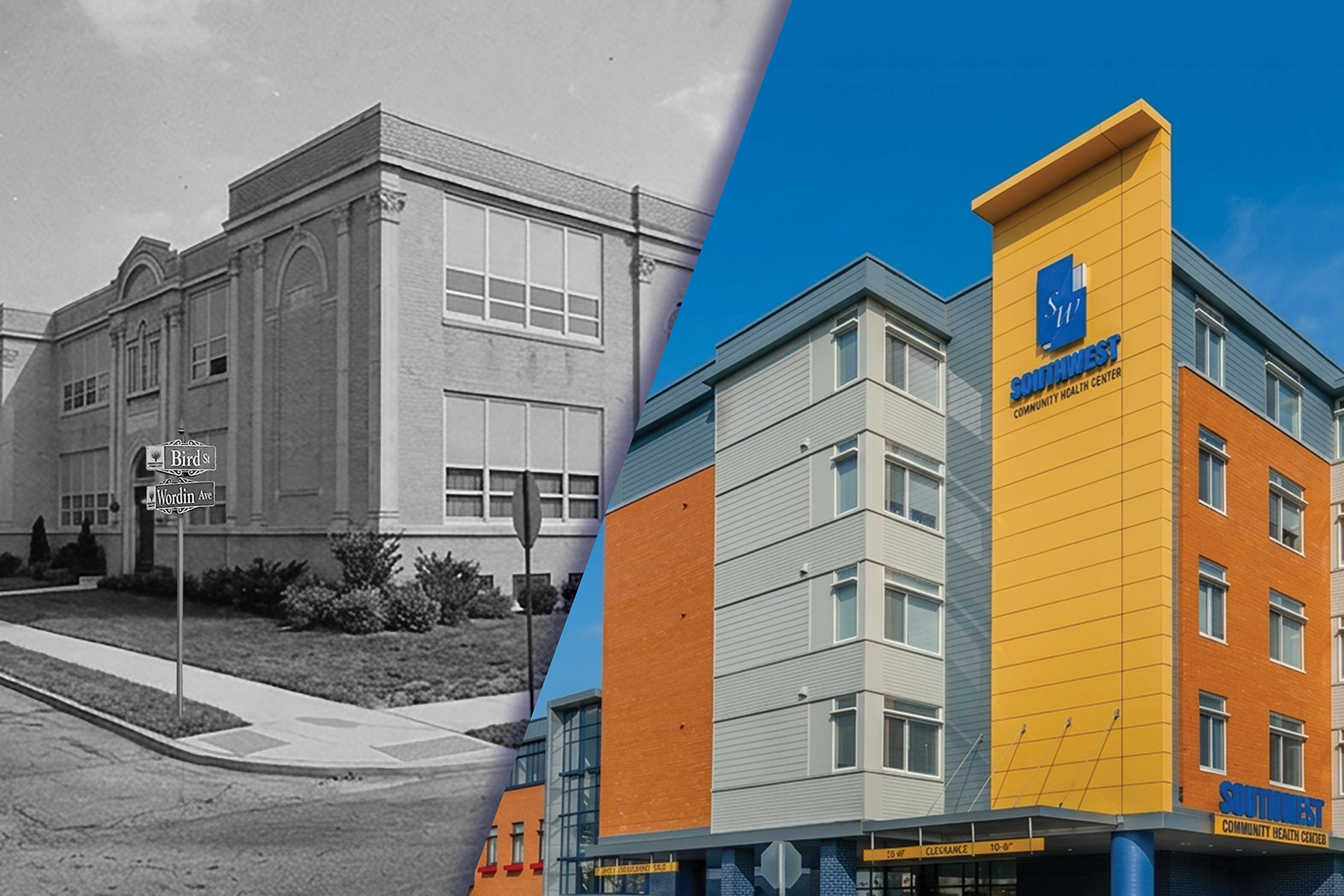
A Brief 50 Year History of Southwest, Community Health Center, Inc.
Summer, 1976.
America was celebrating its 200th birthday—loudly, brightly and optimistically.
In California, a wooden box called the Apple I suggested that computers might one day belong to individuals. Concorde began carrying passengers faster than the speed of sound. And more than 200 million miles away, Viking 1 was sending back the first clear images from the surface of Mars.
But step away from the national headlines and into the South West End of Bridgeport, Connecticut, and a very different story was taking shape.
The arrival of US-95 had recently disrupted the neighborhood and the economic core of the neighborhood was giving way, with many factories closing. Residents lived beside the remains of industry, while many of the systems they depended on began to disappear.
Healthcare was moving away, too. Many neighborhood doctors chose to move out to suburbs like Fairfield and Trumbull. For residents without reliable transportation, even a short trip could become an insurmountable barrier.
The choice was becoming painfully simple:
Build something new or go without.
A Community Creates Its Own Solution
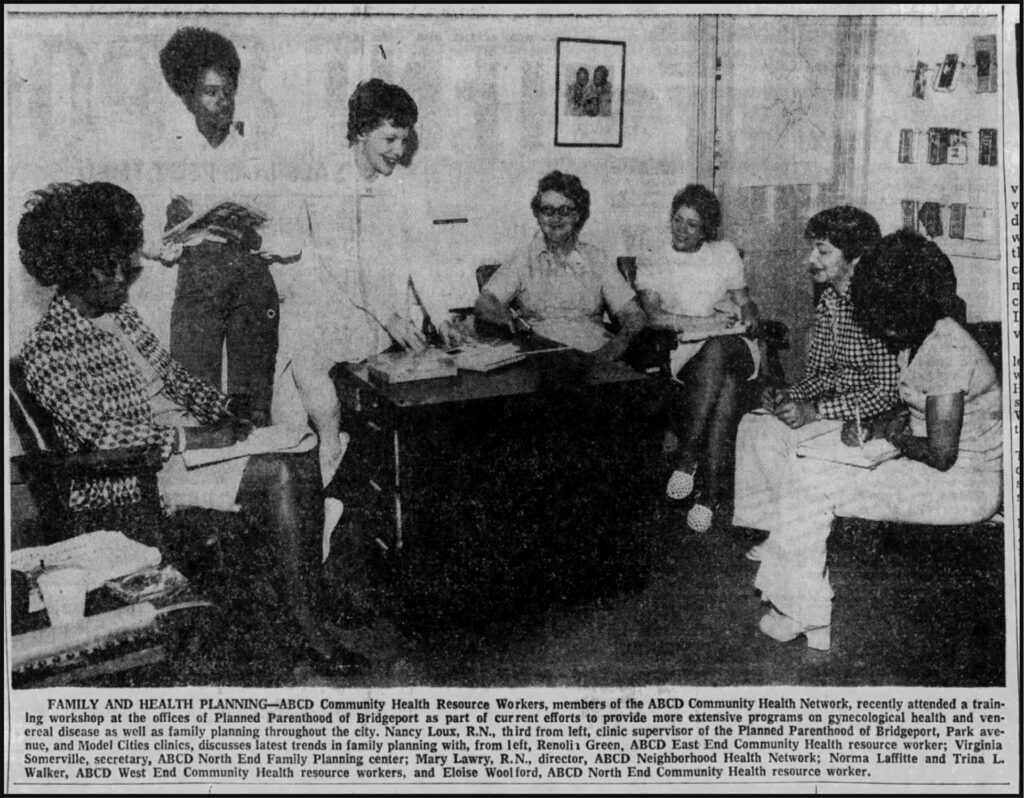
In 1976, residents and local leaders formed the West End Neighborhood Advisory Council. They secured federal Section 330 funding designed to support communities willing to take an active role in governing their own healthcare.
In 1977, they opened a clinic inside Building 14 of the P.T. Barnum Apartments.
Care was no longer across town or in another community. It was inside the community itself. No car. No bus. No complicated journey. For some residents, receiving care was as simple as walking down the hall or across the street.
It was a practical solution to an immediate problem, but it also represented something larger: the belief that high-quality healthcare should not be determined by a person’s income, insurance status, transportation or ZIP code.
Healthcare became local again.
From a Small Clinic to Something Permanent
The clinic quickly filled beyond what its residential walls could hold.
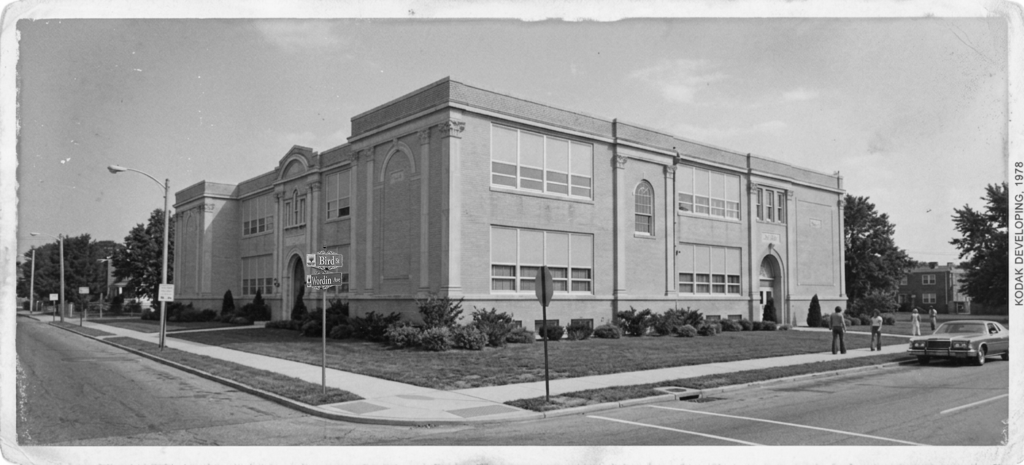
In 1978, services moved to the former St. Stephen’s School on Bird Street. Classrooms became exam rooms. A school became a health center. The move created more than additional space. It helped build trust.
What began as a small neighborhood pilot was becoming a permanent part of the community. By 1980, it was officially incorporated as Southwest Community Health Center, Inc.—providing high-quality, affordable care and governed by the people it served.
That community-centered model would guide everything that followed.
Growing Into Community Infrastructure
Southwest continued to expand as Bridgeport’s needs evolved.
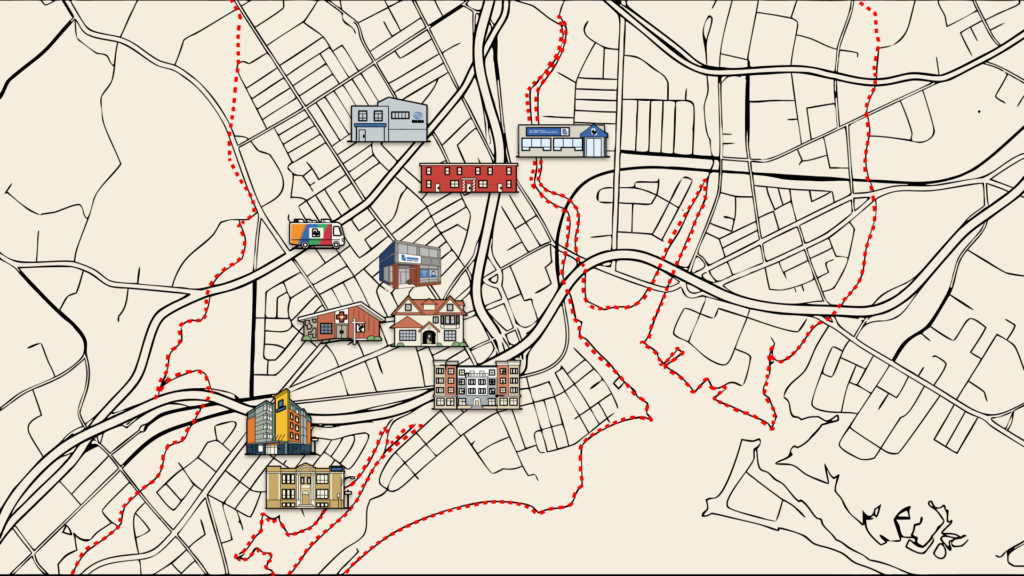
From Bird Street to the Marina Apartments, Clinton Avenue, Fairfield Avenue and Lindley Street, new locations and services brought care within reach of more residents. The original Bird Street operation eventually moved around the corner to Albion Street, beginning another chapter in Southwest’s growth.
Medical care expanded. Dental and behavioral health services were added. Programs were created for mothers and families, people experiencing homelessness and other community members facing barriers to care.
The organization also developed partnerships with schools, housing communities and trusted local institutions.
Southwest was no longer simply a health center located in Bridgeport. It was becoming part of the city’s essential community infrastructure.
The Mission Moves Beyond the Building
The modern era has brought continued expansion—but the underlying idea remains remarkably consistent.
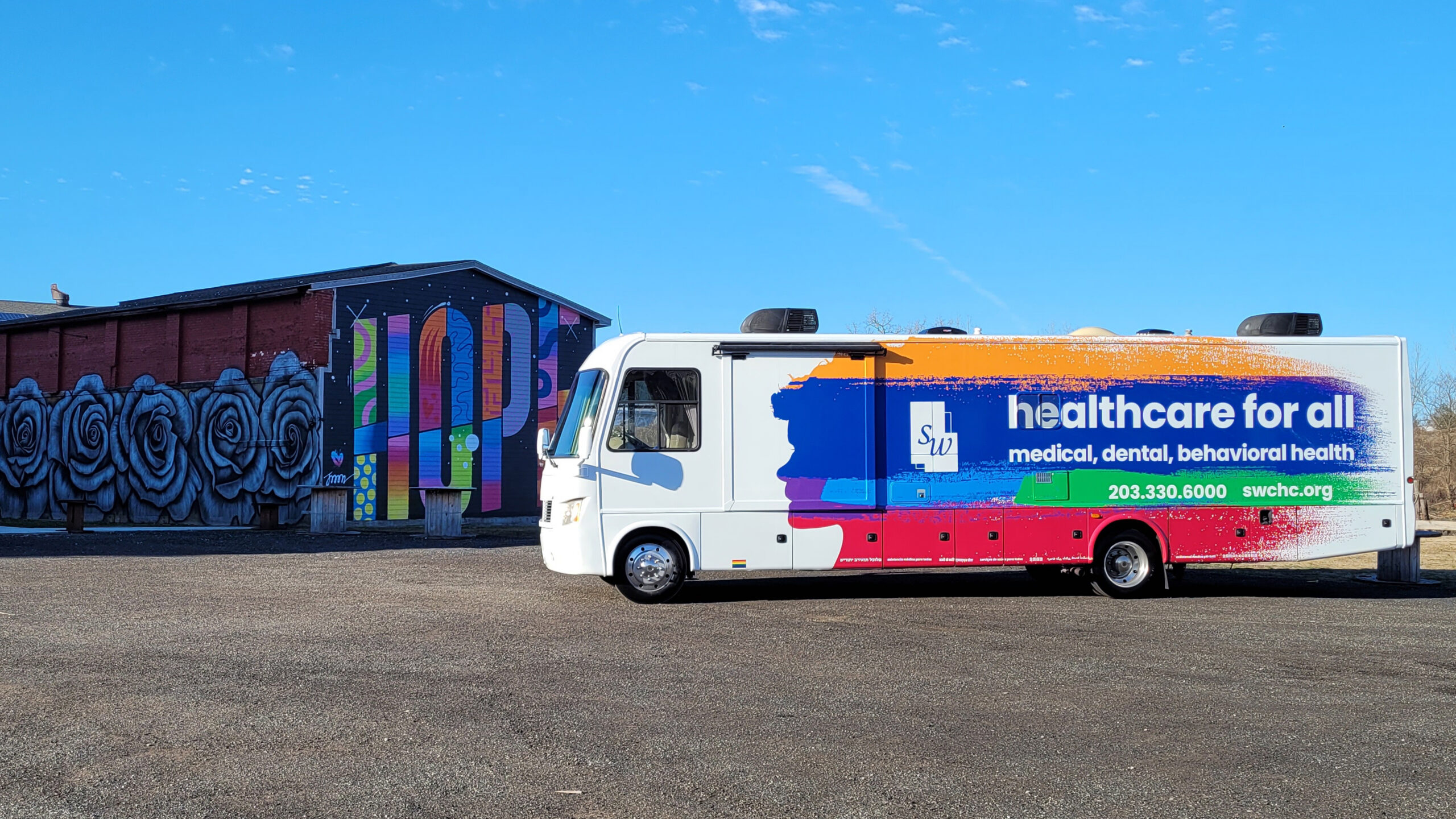
Southwest’s mobile medical unit, known affectionately as “La Guagua,” brought services directly into neighborhoods where access may be limited. The Park Avenue location placed care within the Windward Apartments community, directly adjacent to the former Marina Village. Same Day Care on 1020 Fairfield Avenue, a walk-in facility, helped patients receive timely attention for immediate health concerns.
New locations at Hall Neighborhood House and the Thomas Merton Family Center have extended Southwest’s presence through organizations residents already know and trust. In late 2026, another site will open at Wakeman Boys & Girls Club’s Madison Avenue Clubhouse.
Each new location is another expression of the original idea behind Building 14:
Do not simply ask people to find their way to healthcare. Find new ways to bring healthcare to them.
Today, Southwest provides medical, dental, behavioral health and community-based services to tens of thousands of people across Bridgeport.
The scale has changed. The mission has not.
Some Innovations Become Part of Daily Life
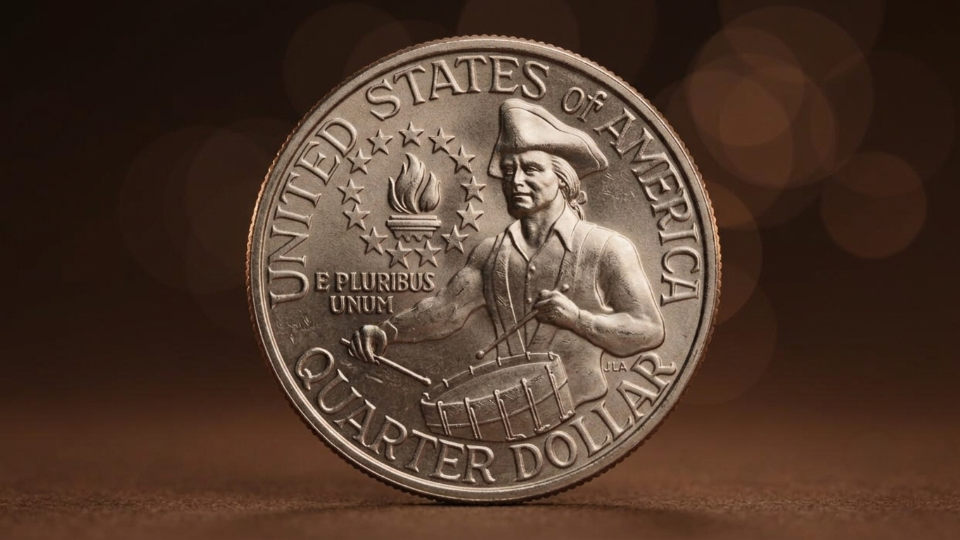
Look closely at a 1976 bicentennial quarter and you will not find a grand monument. You will find a drummer—moving forward, keeping time.
It feels like an appropriate symbol for Southwest’s 50th anniversary.
Some of the innovations introduced in 1976 eventually found their way into museums. Others became so integrated into daily life that it is easy to forget how transformative they once were.
A clinic within walking distance.
Care available regardless of a person’s ability to pay.
Community members helping govern the organization that serves them.
Medical, dental and behavioral healthcare connected through one community-based system.
These ideas may not have captured all the national headlines, but they changed lives in Bridgeport, CT. And they continue to do so.
Fifty Years Strong—and Still Moving Forward
Southwest Community Health Center’s 50th anniversary is a celebration of growth, but it is also a celebration of continuity.
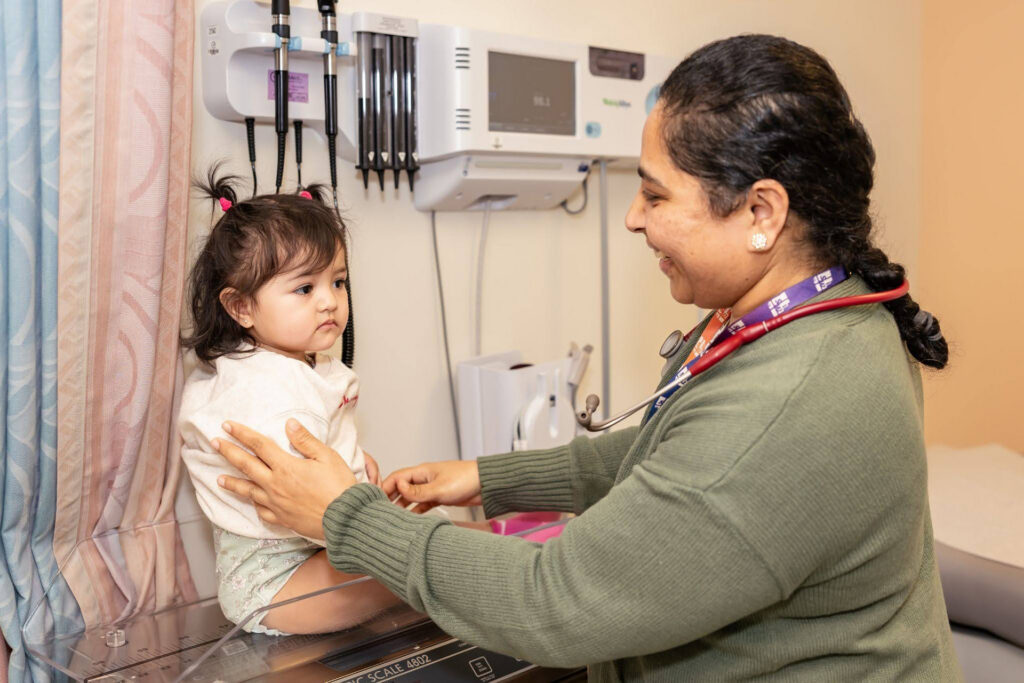
For five decades, Southwest has adapted to new challenges without abandoning the belief that inspired its creation: everyone deserves access to compassionate, high-quality healthcare.
Its history belongs to the residents and local leaders who refused to accept that their community should go without. It belongs to the patients and families who placed their trust in Southwest. It belongs to the healthcare professionals, staff members, board members, partners and supporters who carried the mission forward.
And it belongs to the generations who will shape what comes next.
From our community.
For our community.
Healthcare for All.
Fifty years strong.
Explore the complete Southwest Community Health Center 50th anniversary timeline.
#SWCHC50 #HealthcareForAll #CommunityHealth #BridgeportCT #HealthEquity